A new Auction!
Larry Shaw Estate Auction
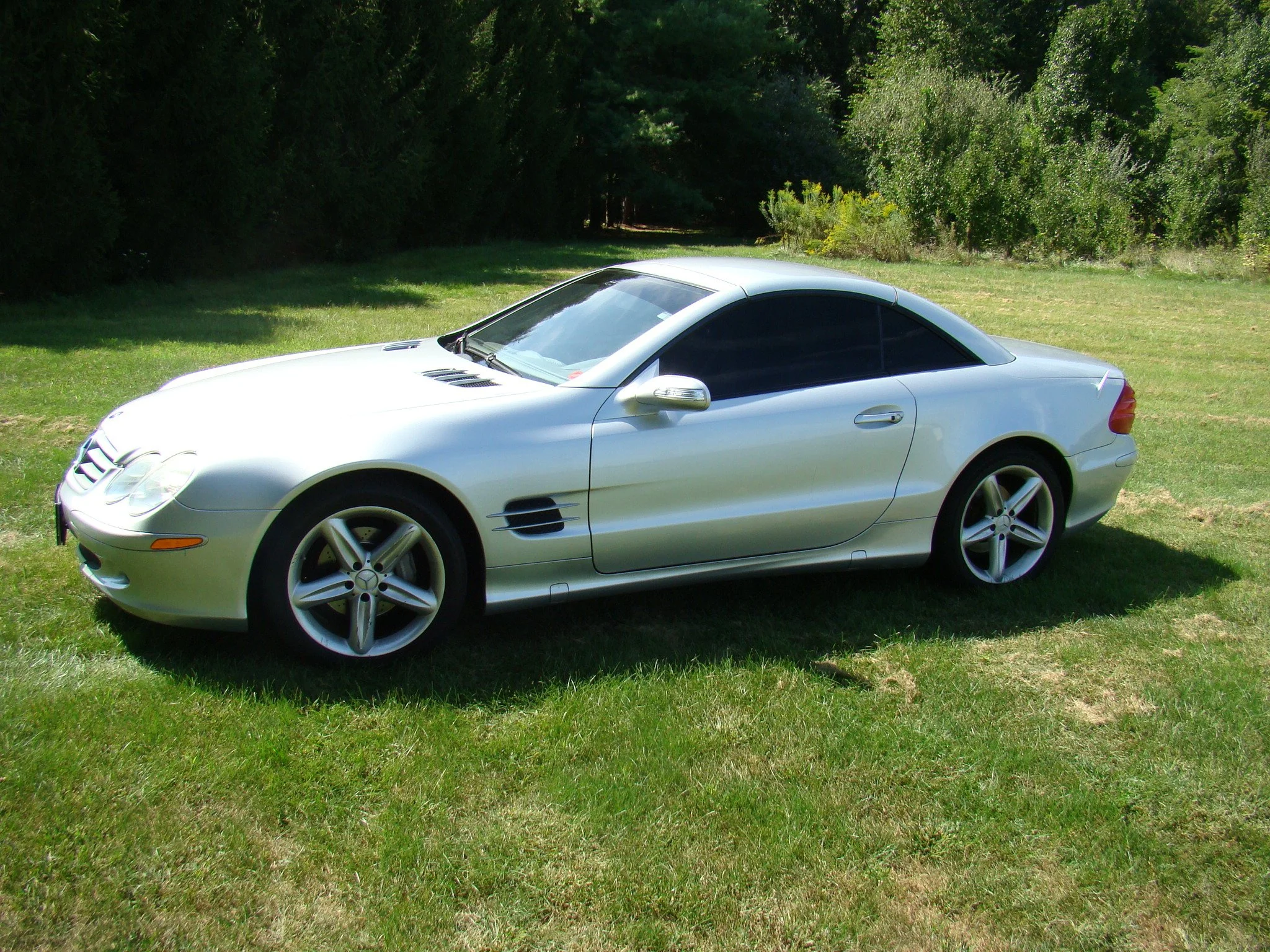
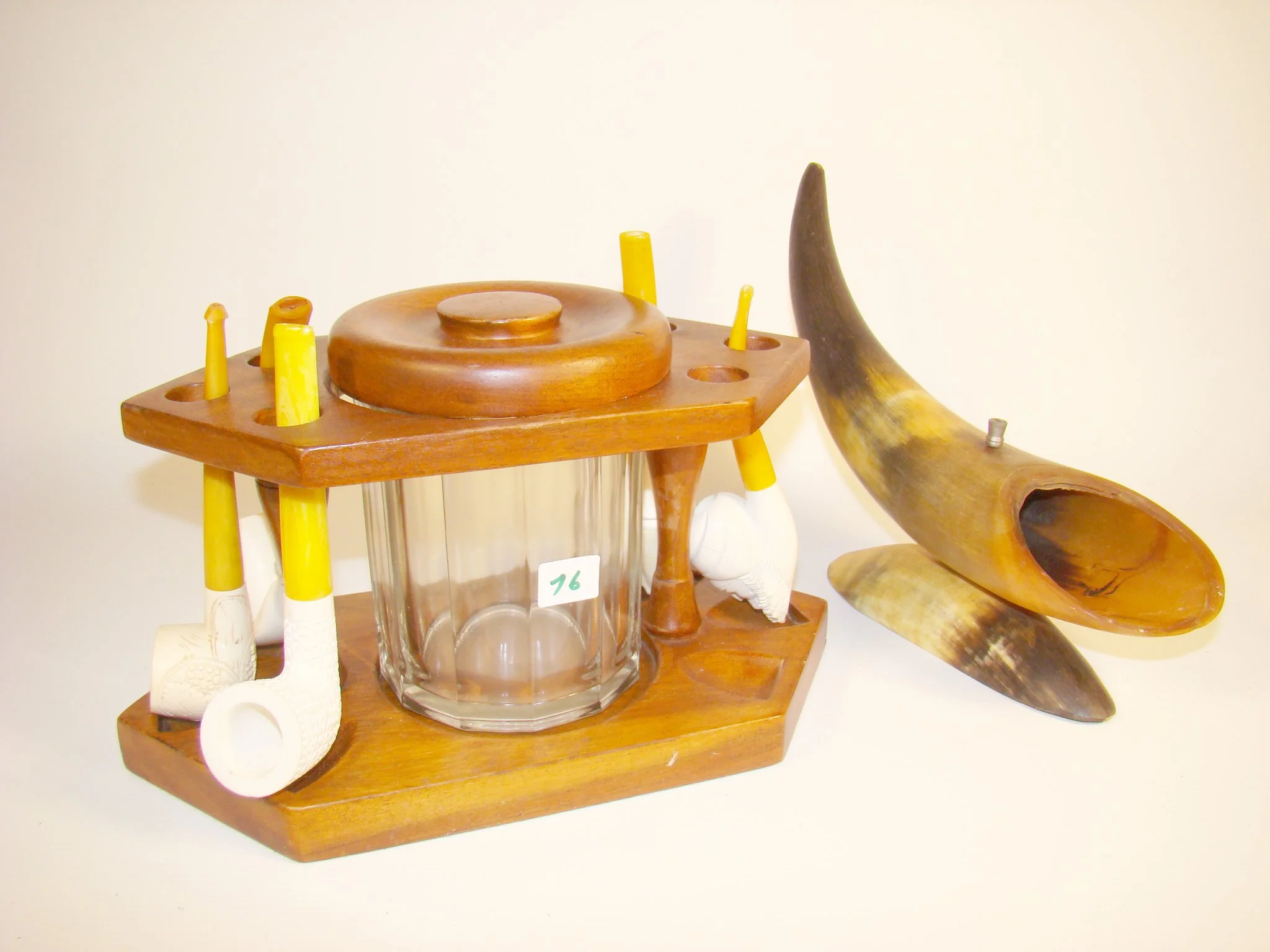
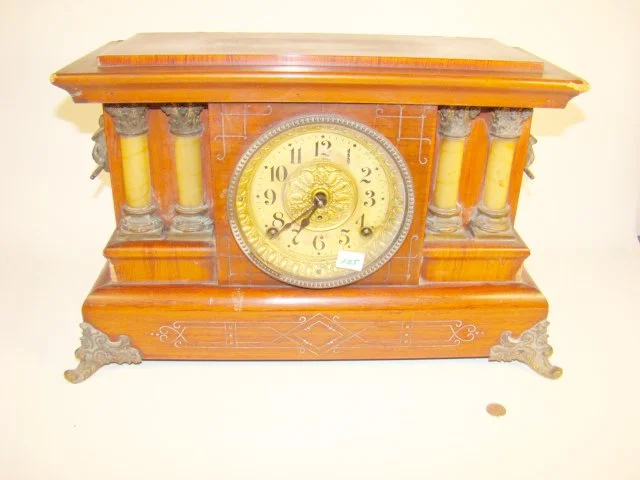
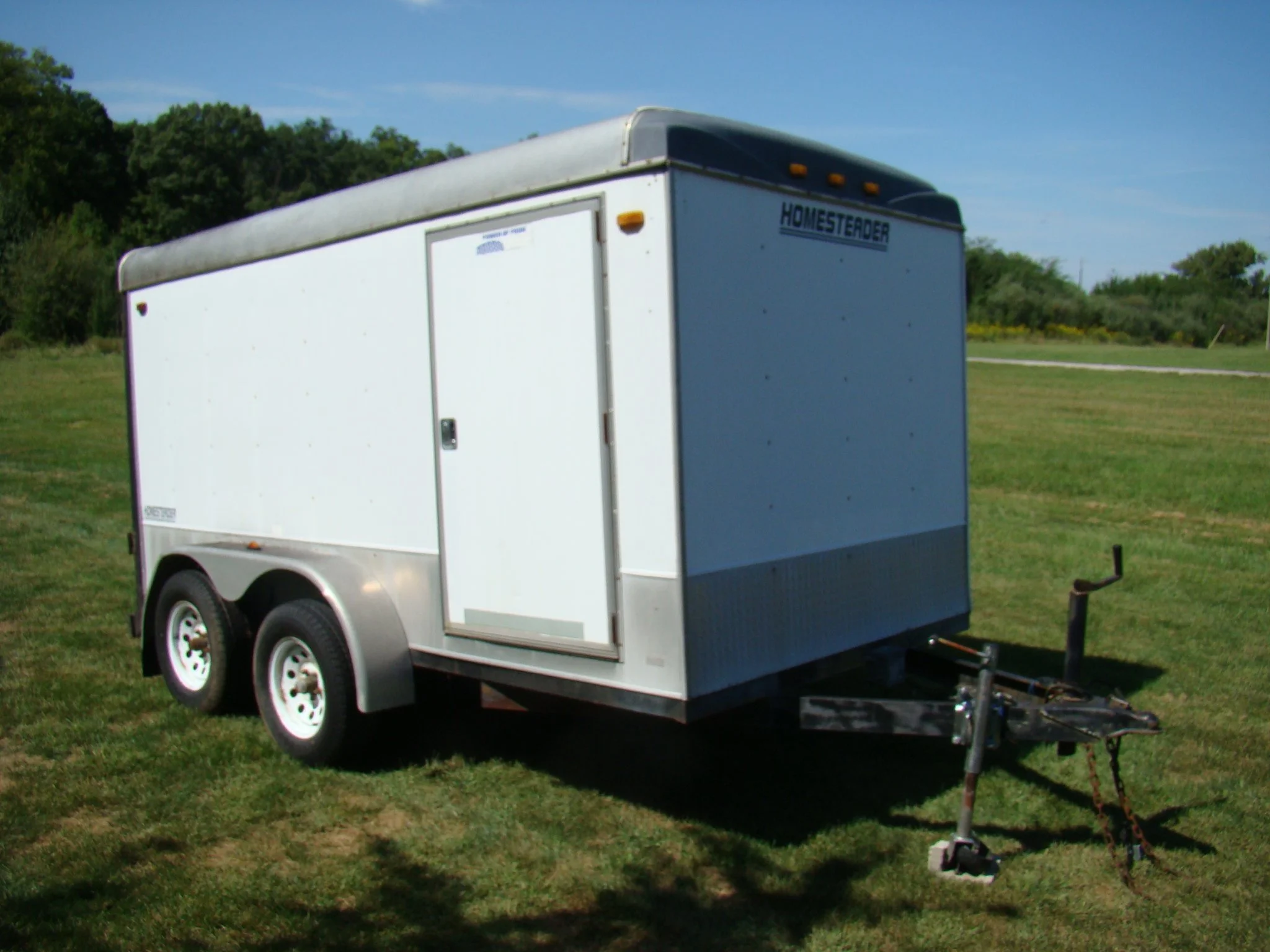
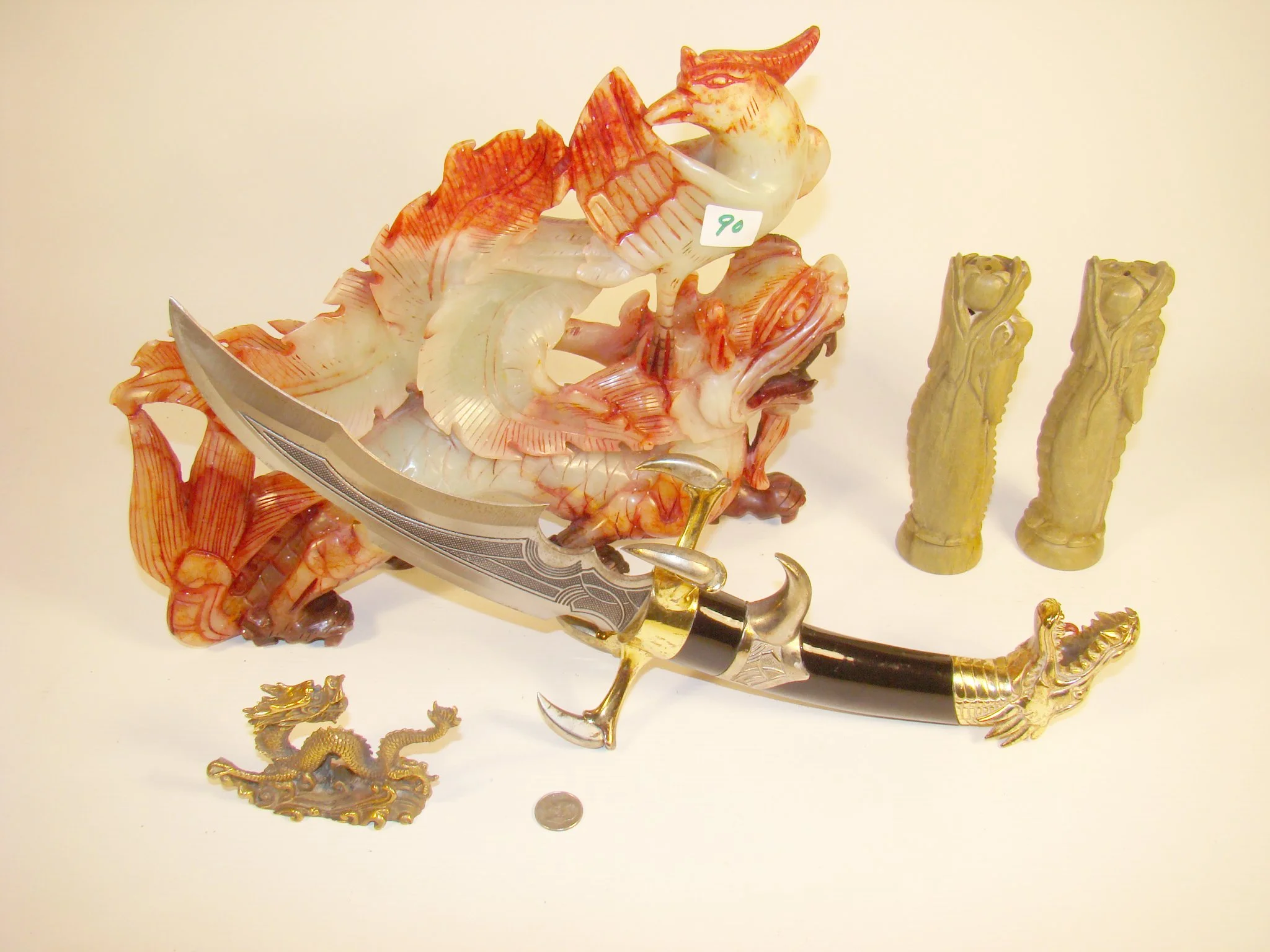
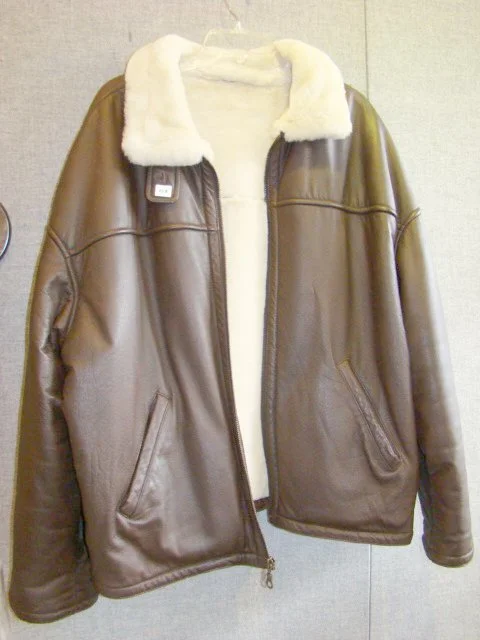
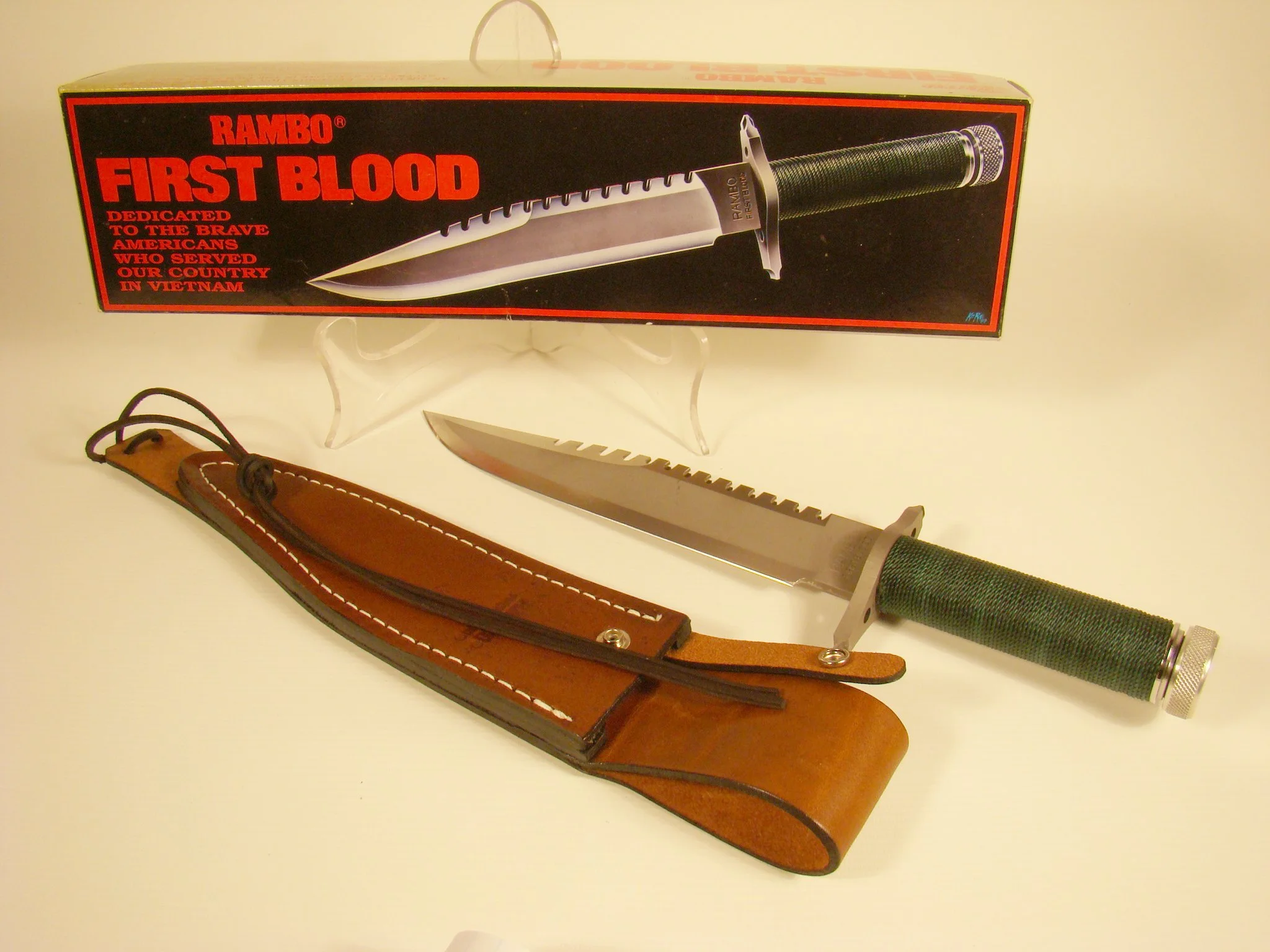
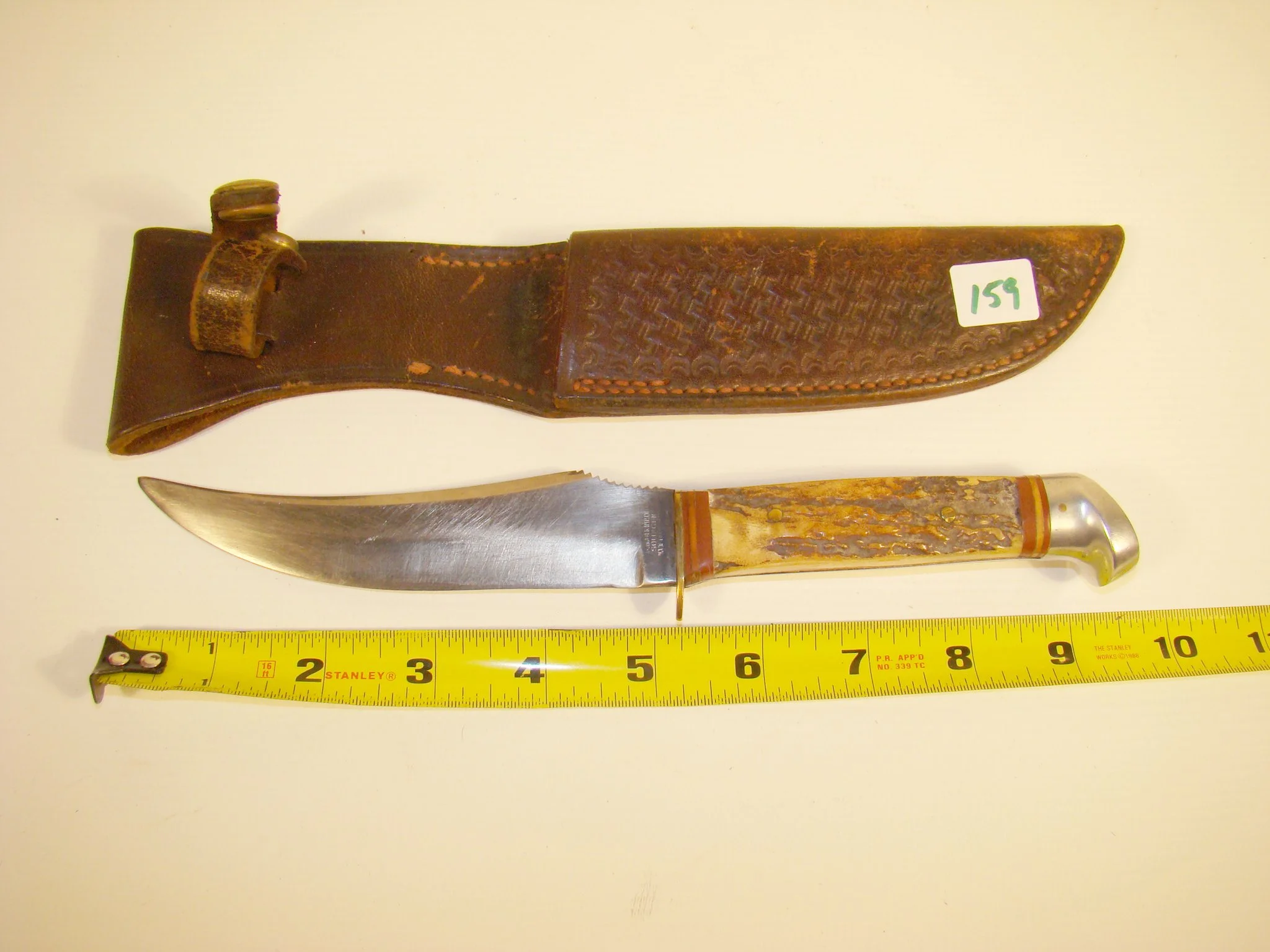
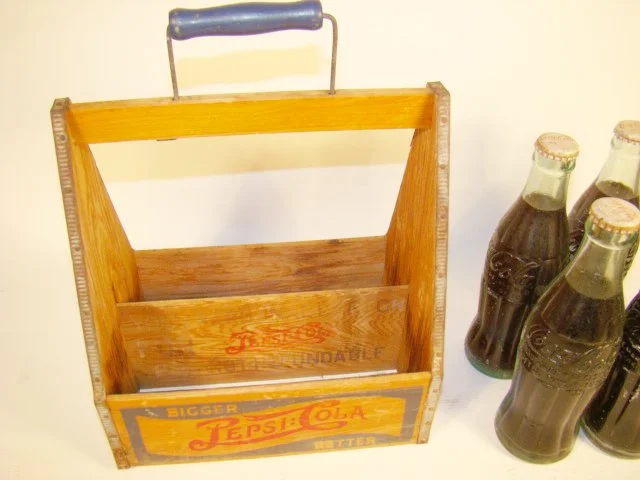
Auction Gallery
117 N. Water Street, Decatur, IL 62522.
This space will be for auction previews and exhibitions as well as free appraisal days the first Wednesday of each month.
Plus give you the opportunity visit with me and to sell your antiques, jewelry, coins, toys, artwork, etc….!!
By appointment or chance. Call 217-521-4866 or 217-859-3804
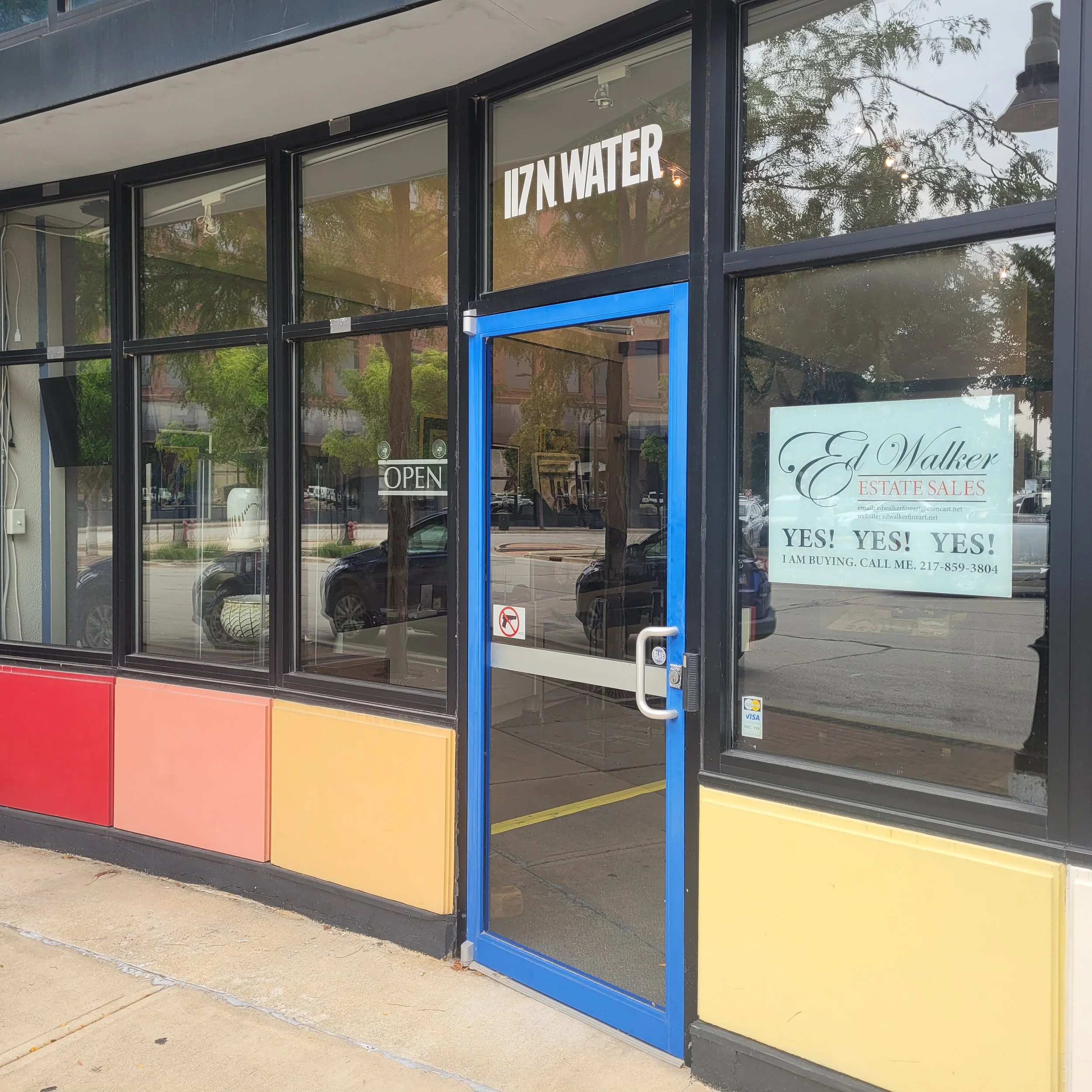

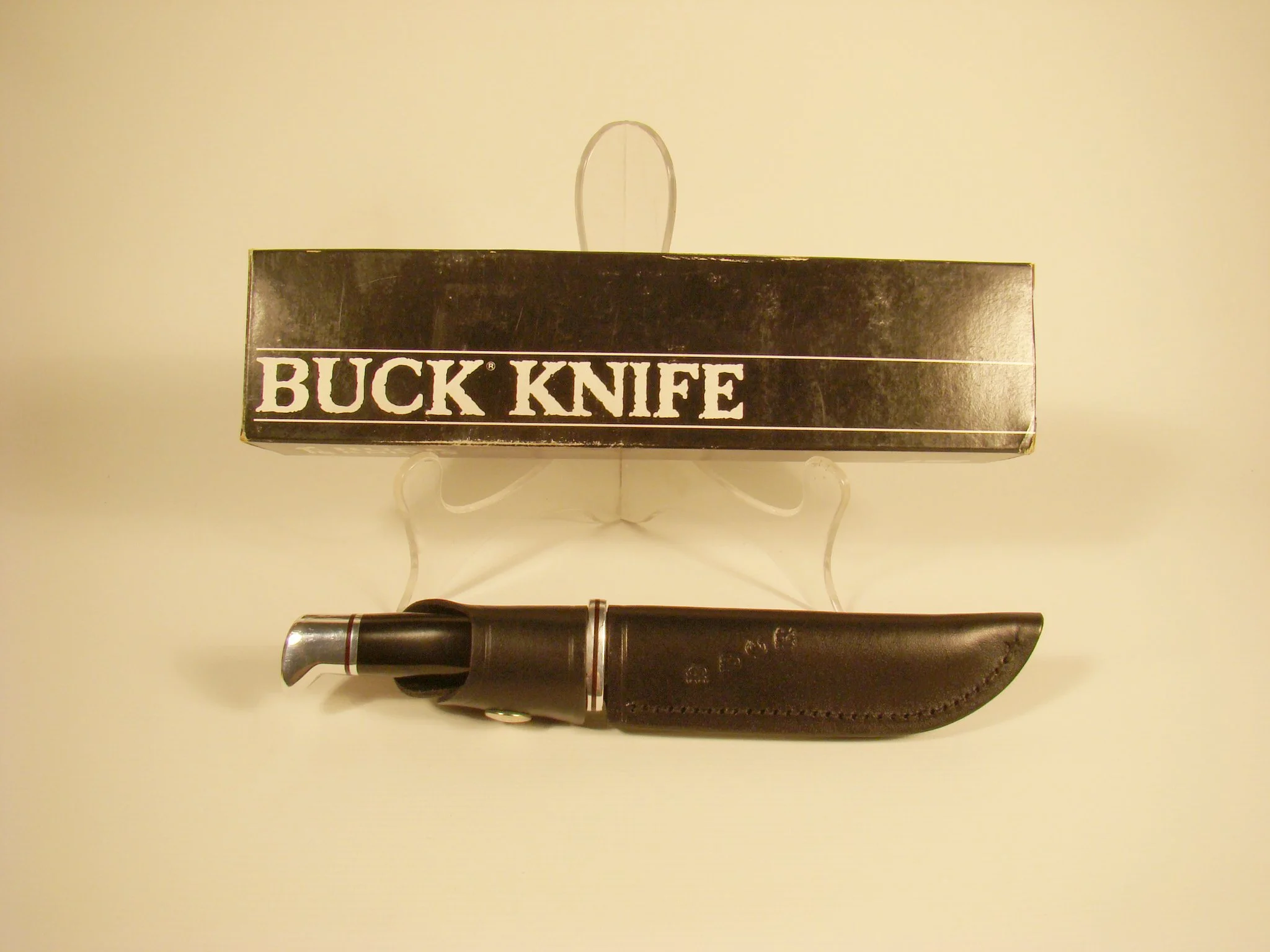
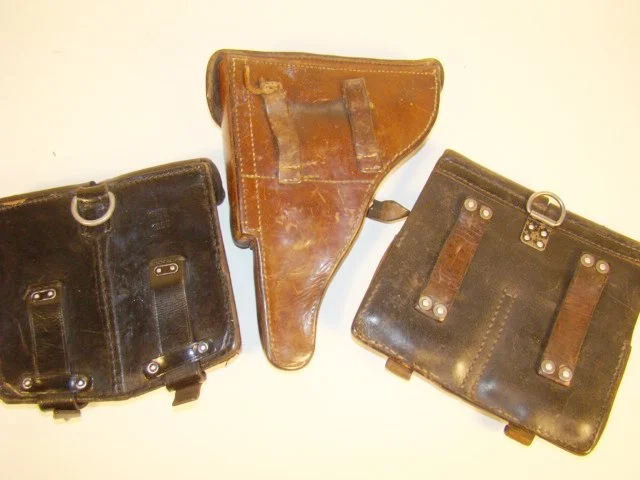

I am Proud to Represent the
Estate of Robert Crowder
Call me directly for more information:
217-521-4866
Robert Crowder lived in the Far East from 1934 to 1943. He studied Tsuketate Japanese painting under Sami Ogata and Nikon-ga under Shunkoh Mochizuki. He Taught English at the Fifth Imperial Higher School in Kumamoto. The day Pearl Harbor was attacked, Crowder was incarcerated as a prisoner of war. After 18 months, he was transported to Goa, India and returned to the United States as part of a prisoner exchange between the two countries. His professional career as an artist started in Chicago and then with strong demand for his screens coming from Hollywood, moved his studio to Burbank, CA. Through the 50s, 60s & 70s Crowder produced hundreds of painted screens and designs for wallpaper installations that were installed in the homes of the Hollywood elite.

Robert Crowder - Pheasants
Two Panel Room Screen
Price on request.

Robert Crowder - Grapes
Two Panel Room Screen
Price on request.
About
The painted paper-folding screen “Byobu” is one of the most distinctive forms of Japanese art, and served many purposes throughout Japanese culture and history. For instance, small two-fold screens were used for tea ceremony, while large six-panel screens served as back-drops for dances or concerts, even for outdoor processions, and sometimes as an enclosure for Buddhist rituals or an audience with nobles. The first Japanese screens to reach the western world were brought from Japan to Europe by the Jesuits and presented to Pope Gregory XIII in the latter part of the 16th century. Japanese screens appeared quite frequently in the shipping lists of the Dutch East India Company in the mid 17th century.
With the introduction of the Art Nouveau movement, after the turn of the century, Japanese screens became a statement of fashion and house decoration in Europe and the United States.
As World War II ended, the understanding of the Japanese arts deepened and Japanese screens were being favored again. Young Robert Crowder returned to Japan in 1943 with the full knowledge of Japanese arts, which he acquired from the most prominent Japanese painting master of the Time, Shunko Mochizuki.
Crowder devoted himself to painting an uncountable number of Japanese screens and eventually the “Crowder Screen” became a synonymous word for “Japanese Screen” in this country.

Ed Walker
email: edwalkerfineart@comcast.net
phone: 217-521-4866
Contact